
Helping Men and Women overcome Alcohol and Drug Misuse
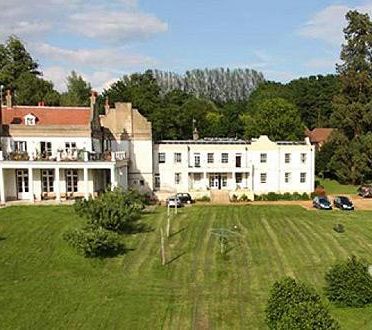
Kenward Trust founded in 1968 is a registered charity helps men and women overcome alcohol and drug misuse. More than 10,000 have been helped, with 190-200 on an annual basis, by delivering residential rehabilitation projects, and community and youth programmes across Kent, Medway and East Sussex. Set in fifteen acres of stunning Kent countryside, Kenward Trust provides a safe space for its residents, in many cases far from the setting of their addictions. Their skilled workforce are committed to ensuring that those most vulnerable in today’s society leave their services with the knowledge and skill set to be able to safely re-integrate into the community with a much lower risk of relapsing. At Kenward Trust we have a variety of projects dedicated to helping those affected by drugs and alcohol. Our main residential rehabilitation project, Kenward Therapeutic Community, retains many aspects of the Recovery Model of treatment delivery. Kenward Trust Therapeutic Community is a residential drug and alcohol recovery project offering a supported residential environment for men and women. We deliver a therapeutic programme incorporating recovery focussed group work, counselling/art psychotherapy, social enterprise and education sessions.At Kenward Trust, we give residents choices on how to manage their own recovery, through a structured programme. In Kenward House, we take a Therapeutic Community approach, which is a participative, group-based method for treating alcohol and drug addiction, as well as retaining many aspects of the Recovery Model of treatment delivery, where recovery is seen as more of a journey, rather than an aim of treatment.
In The Barn, we offer a safe place to find and develop an understanding of the 12 Step Programme, designed for people to help one another achieve and maintain abstinence from their addiction.
Alongside our structured group programme, we also offer a wide range of activities with both therapeutic and skills based training in our Gardens and Workshops, which will allow our residents to take evidence of recognised training skills with them into the workplace. At Kenward we believe that building the confidence of our residents back up is vital in order to ensure a sustained recovery, whether this be through the rehabilitation programme itself, or through us providing education to our residents at the skill level relevant to them. We have reviewed the traditional 12 or 24 week blocks of treatment and can now offer bespoke client centred programmes of between 4 and 24 weeks, dependant on the individual needs of the client. Whilst we do receive residents from the community with statutory funding, we do also take self-funded clients at Kenward. These blocks of treatment mean that those who cannot achieve funding from the community, may still be able to come use and benefit from our services for a time frame that works for them. Following on from our residential rehabilitation project, we have Move On houses in various locations across Kent and East Sussex. Our Move On houses provide supported, substance free accommodation within the community for those that have completed a recovery programme. Residents live independently at the Move On houses but continue to be supported by us through weekly meetings with their project manager. We find that residents benefit from continuing to live amongst a group of peers, drawing strength and support from each other and reducing the dangers of isolation which ultimately help them to sustain recovery. Our Kenward Lodge project provides further supported accommodation for those whose lack of accommodation is preventing them from accessing drug and alcohol services and hindering their recovery. This project is based on our Yalding site, with close proximity to local services and amenities alongside access to fellowship, SMART and Aspire meetings. We encourage volunteering within the local community so that their transition back into society is a more positive experience and they have transferable skills for when they get back into the workplace. At Kenward we believe that reaching young people at the age when they start experimenting with drugs and alcohol is a vital step in preventing future addiction. Our Think Differently project set up in 2016 goes into schools to provide education, information and relevant interventions for young people so that they can create their own informed opinion on the risks of substances. We also work with local councils to provide advice and support for young people within the community alongside raising awareness of risks of substance misuse for themselves, their family and their friends. The project team is highly skilled and experienced at supporting individuals through the delicate and challenging process of change, within a safe and supported environment. Residents are encouraged to take responsibility for their own emotions and behaviours and, through group working positively and pragmatically address former addictive behaviours and lifestyles. The residents participate in our Therapeutic Gardens & Workshops activities, which include woodwork, horticulture, animal management and cooking.Treatments Provided
Therapeutic Community – We deliver a therapeutic programme of between 4 and 24 weeks, dependent on the needs of the individual, incorporating recovery focussed group work, individual counselling and key-working, as well as using art therapy, our Therapeutic Gardens & Workshop sessions, Reiki and attending weekly fitness sessions; all of which contribute to our residents’ therapy and recovery. Although attendance at the group sessions and Therapeutic Gardens & Workshop sessions is mandatory, each resident is treated individually, and a client-focused support plan is created to assist them with their recovery journey. Residents are encouraged to take responsibility for their own emotions and behaviours and, through group working, positively and pragmatically address former addictive behaviours and lifestyles. Our optional evening and weekend activities are also open to all residents of the Therapeutic Community. We work closely with other external agencies to ensure the healthcare needs of our residents are met alongside working towards their recovery, such as the Hep C Trust. Our aim is to enable our residents to leave our services as completely independent individuals, so they can create new futures for themselves away from their addictions. Our programme has been developed based on the principles of a Therapeutic Community, whilst retaining many of the aspects of the Recovery Model of treatment delivery. This community approach allows all of our residents to benefit from a variety of expertise available within our staff team. The Barn – Our 12 Step Programme – We understand one size does not fit all. Referral partners and residents can be assured we offer varied solutions to get effective results. As part of our individualised recovery plan, we offer a safe place in ‘The Barn’ here at Kenward. Residents can find and gain an understanding of the 12 Step Programme, designed for people to help one another achieve and maintain abstinence from their addiction. Person-centered programmes 4 – 24 weeks.More Resources
House Leaflet 2022 (1) BARN leafletBed Capacity
27 Beds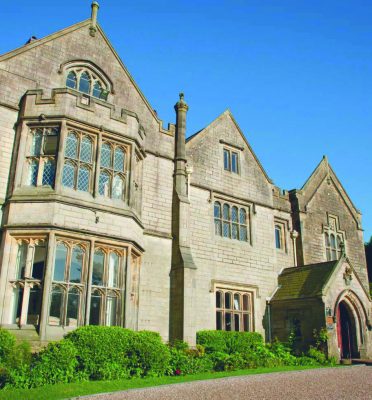
Residential Addiction Treatment Centre For Those Affected by Addition & Associated Trauma
Littledale is situated in a picturesque area on the edge of the Trough of Bowland 6 miles outside Lancaster. The Hall is set in 200 acres of private grounds surrounded by beautiful scenery and woodland. The tranquility and privacy of the location offers an ideal environment for therapeutic and personal growth. The building is accessible to people with mobility problems (dependent upon need). Local shops and the GP Surgery are within 1.5 miles of the Hall, as are a full range of leisure and recreational facilities, including beautiful country and coastal walks and bike rides. The Hall offers people (aged 18 years and over) personalised, structured programmes of varying length (3, 6, 9 and 12 months) dependent on assessed needs and available funding. The treatment provided at Littledale takes into account the complexities of addiction and the associated psychological, emotional and physical problems. We recognise that addiction is frequently a feature of not only the persons life experience but also those close to them and the duration of treatment is personalised and dependent upon individual assessed need.Treatments Provided
The programme incorporates 4 key components that we believe are fundamentally linked to gaining a greater understanding of what influences the choices we make. Each resident’s participation in these four areas will vary depending upon their own personalised needs and requirements.1. Understanding Addiction & Supporting Recovery
2. Relational Health & Wellbeing
3. Everyday Health & Wellbeing
4. Trauma & Addiction
Bed Capacity
33 beds
Model of Service Delivery
Enhanced Therapeutic Community, will provide the core treatment and support offered by our core residential ‘Therapeutic Community’ model enhanced by treatment options provided elsewhere across Phoenix in community settings. The service will be supported by all existing Phoenix policy, protocol, senior management and governance.Core Services
- a structured, psychologically informed environment, where the social relationships, structure of the day and different activities are all deliberately designed to work together to help people’s health and well-being.
- Support for people with various longstanding emotional problems to spend time and engage in positive activities together in an organised and structured way without substances.
- residents are responsible for the day-to-day running of the house and support each other throughout the programme, with more senior residents becoming ‘buddies’ for new residents. After completing treatment at the residential, residents are supported to move on to our supported housing services or return to their own area.
- a team of Therapeutic Support Workers will support the day to day functions of the house and daily support needs.
- A structured ‘group programme’ designed to meet a range of identified needs and based on NICE guidance and UK Drug Treatment Guidelines
- a medically monitored detox – under the care and management of a sub-contracted qualified GP
- onsite Registered Mental Health Nurse to support supervision of detox
Key Features:
Assessment and Care-planning
- A comprehensive assessment of need prior to arrival with ongoing reviews as part of the care planning process
- The assigned Therapeutic Worker and allocated Programme Facilitator (Counsellor) will work with the client to create a mutually agreed Care Plan which will form the basis of a personalised therapeutic programme.
- Support for detoxification (as required) and facilitation of medical support from the GP. The detoxification regime will be agreed in conjunction with the client and GP either before admission or at the first session/day of arrival depending on the service. Clients are required to comply with the agreed detox regime as part of the therapeutic programme.
- Progress reports and meetings can be provided to ‘family/significant others’ on agreement with the client.
- Aftercare and exit planning from treatment commencement.
- Duration of treatment is responsive to client needs.
Programme Interventions
- Admission into the Welcome House stage of the programme including the opportunity to participate in a range of Welcome House interventions
- On completion of the Welcome House stage – a move on to the Primary Phase of treatment – where the client will attend a range of group interventions and meetings. Groups offered may vary depending on the service and may include personal and behavioral development interventions, relapse prevention, harm reduction, peer-led groups and meetings, gender support, social and community activities, mutual-aid etc.
- Structured one to one counselling sessions.
- Counsellor facilitated CBT group sessions.
- Employability support through engagement in a work role to support the running of the house and programme.
- A range of social activities.
- Family and significant others can visit the service weekly at allocated visits times. This is on agreement with management and all visits are appropriately risk assessed
- Completion of the Life story
- Treatment duration will be responsive depending on the needs of the client
Accommodation
- En-suite single bedroom including bedding and bedroom furniture provided.
- All meals including breakfast, lunch and dinner– dietary requirements will be identified as part of the initial comprehensive assessment to ensure options as per dietary needs.
- Access to onsite laundry facilities
- Accessible bedrooms and grounds, including facilities.
- Fully equipped fitness suite.
Discharge
- Discharge planning and completion of a Leavers pack prior to discharge.
- Ongoing referral to support agencies as required.
- An opportunity to attend Aftercare support through the graduate support programme and/or peer supporter roles.
- Naloxone provision
Safety features
- The service is registered with the Care Quality Commission
- Drug and alcohol testing as part of the therapeutic programme
- Highly trained staff are in service 24 hours per day and the service also benefits from ‘out of hours’ management on call
- Medication Management Policy in place for the storage and administration of medications
- Registered Mental Health Nurse
- Electronic Key Fobbed accessible floor access.
Bed Capacity
38 (male/female)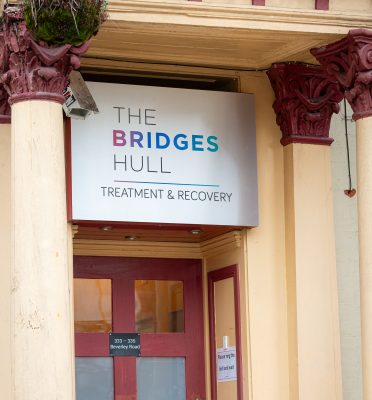
The Bridges Hull is a residential rehabilitation centre based in Hull, providing full-time specialist drug and alcohol addiction services for women and men over the age of 18.
We’re experts in helping people to address and recover from addiction. Established in 2004 and run by The Forward Trust charity, we provide a safe, intimate, comfortable environment in which to turn your life around.
Our services include:
· A treatment programme based on the proven and effective 12-step approach
· A range of individual and group activities including therapy, counselling, meditation, study groups, and outdoor and social activities
· A comfortable, private room for every client
· Friendly, non-judgemental, professional support from people who understand addiction and recovery
Our evidence-based treatment programme is highly effective in supporting our clients into recovery.
Our treatment programme uses evidence-based interventions that are to be proven effective in treating addictions and promoting attitude and behaviour change, including
· 12-step model of recovery – first developed by Alcoholics Anonymous and Narcotics Anonymous, the model is now widely seen as one of the most effective clinical interventions for addiction, as endorsed by Visible Recovery.
· Motivational Enhancement Therapy (MET) elements – an approach that helps people learn how to change their own thoughts and behaviors in relation to addiction. This is combined alongside the Seeking Safety approach to support people with trauma, substance abuse, and/or posttraumatic stress disorder (PTSD).
· Therapeutic Communities approach – supporting staff and clients to play an active role in running the treatment community. We encourage collective openness and sharing in order to maintain a supportive, therapeutic environment in which you can achieve your goals
The stages of treatment
Our dedicated team of professionals go beyond mere expertise in their fields; they are compassionate individuals who genuinely care about our clients’ wellbeing. Collaboratively, they design personalised treatment plans tailored to meet each client’s distinctive and individual needs.
The process for our treatment plan includes three key stages:
Stage one treatment is specifically geared towards addressing substance-use and associated behaviour.
Overview: This stage of treatment will support the clients to identify and address addictive thinking and behaviour, and replace them with recovery-focused attitudes and behaviours.
Session types: we deliver a balanced blend of individual counselling and group therapy sessions to help address some of the fundamental aspects of addiction. Through the combination of individual and group sessions we nurture a supportive and transformative environment; individuals gain the insights and skills necessary to succeed in their ongoing journey towards recovery.
Notes: In this stage clients are not permitted to leave the centre by themselves and will be accompanied by a staff member/volunteer at all times.
Stage two is dedicated to equipping the client for a successful transition into the community – free from the influence of drugs and/or alcohol. Overview: This phase places a strong emphasis on aspects such as volunteering and education. At The Bridges, we have established local partnerships with a variety of organisations and charities that provide a wide array of activities and volunteering opportunities tailored to the needs and interests of our client, with treatment building on the work done in Stage one.
Sessions: Phase two of the treatment will proceed to involve clients in the therapeutic programme featuring one-on-one interventions, educational workshops, and step groups.
Notes: Clients in this stage are permitted to leave the centre unaccompanied, they continue to engage in daily treatment groups and are subject to a curfew.
Leaving treatment is the final key stepping stones of our work, preparing clients for their transition from rehabilitation into their new lives outside of it.
Overview: Clients will collaborate with our Resettlement Worker to create a comprehensive resettlement plan, ensuring they secure a suitable place to reside upon completing their treatment given that many of clients are from all parts of the country. For those clients choosing to remain in the Hull area after their treatment we also offer tenancy support via our Recovery Housing (based in Hull City centre). This initiative is available to those requiring housing during the initial four to six weeks of discharge, with tenancies conditional on maintaining abstinence alongside weekly meetings with a Recovery Worker. Hull has various city-wide service user groups, forums, recovery cafés and events.
Discharge support – Since 2014, less than 20% of graduates from The Bridges have remained in Hull following treatment. The majority of those who chose to remain either originate from Hull and the surrounding areas, or have a strong local connection. To support our clients with their reintegration, we work closely with each client to create an emergency discharge plan in the event of early exit from treatment (for any reason) to ensure continuity of care and safety for the client and the local community. Forward Connect – Our recovery community, Forward Connect, is a peer-led mutual aid community of like-minded people who are making good progress in their own journey – this could be people in addiction recovery, family recovery, moving away from crime, overcoming mental health problems, or who are coming out of a period of unemployment or homelessness. Forward Connect is an online in-person events/reunions and an off-shoot for people to connect and make lasting friendships. Accommodation Bedrooms It features a variety of single and shared rooms, with separate floors for male and female clients. Each of our rooms are comfortably furnished, some having ensuite facilities. Bedrooms are furnished with a bed and nightstand, desk and chair and has built-in storage for clothes. The building is monitored via a CCTV system for added peace of mind. Communal areas In our communal areas, we’ve catered for a range of interests so residents can relax and unwind while getting to know each other outside of the therapeutic sessions. We have a TV lounge, spacious dining room, and a dedicated quiet space for personal reflection. Activities that are freely available include a variety of board games, a pool table and a wide range of books. The Bridges has also started offer additional wellbeing services including delivering yoga, mindfulness and meditation in our health and wellbeing suite. A special part of residing at The Bridges is the communal kitchen and dining space where meals are enjoyed together. All meals are thoughtfully prepared in our dedicated kitchen space which is both spacious and equipped to support the needs of all residents.Treatments Provided
12 Step (Minnesota Model) Motivational Enhancement Therapy Therapeutic Communities Relationships Matter WorkshopBed Capacity
Adult Rehab (18+) Mixed Gender: 19 Bedspaces 3 Double Male Occupancy Rooms 3 Double Female Occupancy Rooms 3 Single Male Occupancy Rooms 4 Single Female Occupancy Rooms