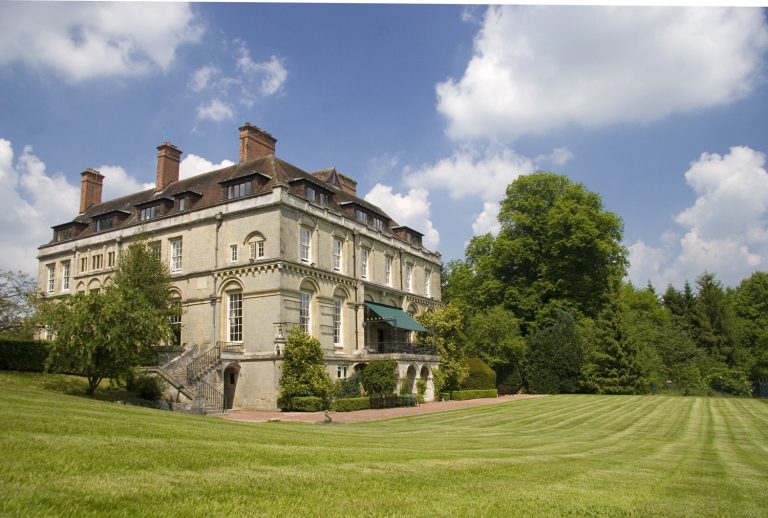
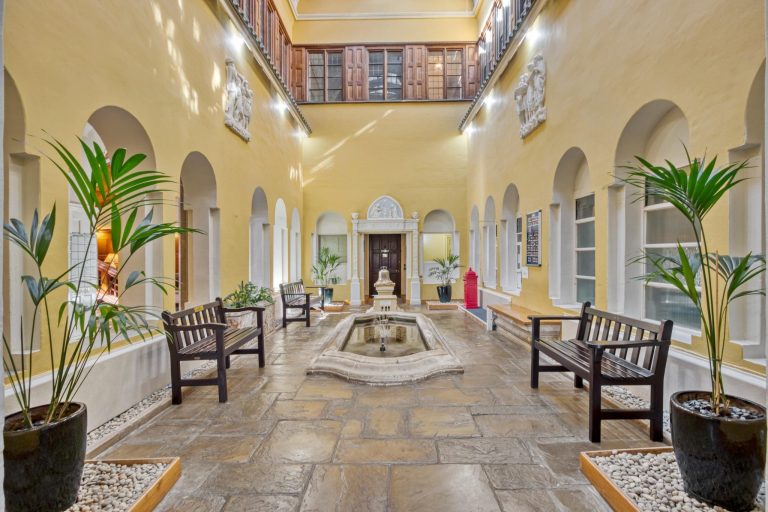
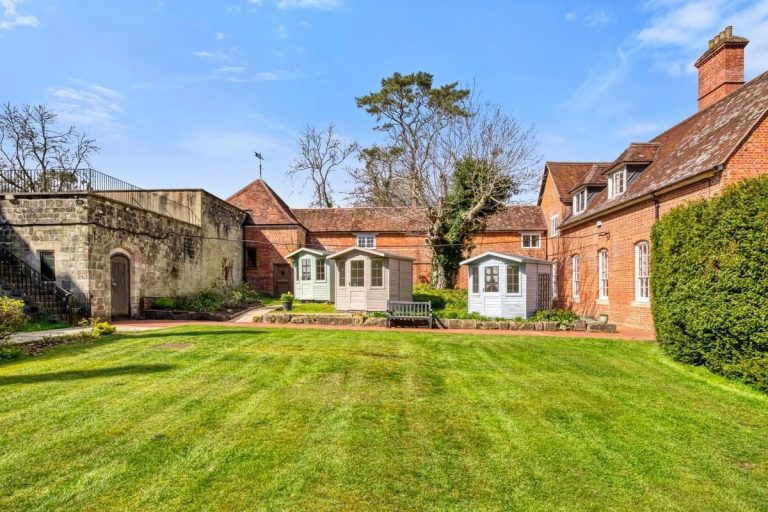
For more than forty years, Clouds House has been one of the UK’s most established residential treatment services for adults seeking recovery from substance dependence. Thousands of people have started their recovery with us and carried it forward into their lives — and the therapeutic model that helped them do it has been refined, not reinvented, over four decades of practice.
Whether you’re a health or social care professional considering Clouds House for someone you support, or you’re looking into treatment for yourself or a loved one, this page sets out who we’re for, what treatment looks like, and how to take the next step.
Who Clouds House is for
Clouds House is a specialist residential service. Our clinical model is medically monitored, with a particular focus on residential opiate detoxification. Alongside this, we also accept rehabilitation-only admissions across a wider range of substance dependencies and behavioural addictions, for clients who are clinically stable and don’t require medically managed detox.
Whichever route applies, the therapeutic programme, the team delivering it, and the setting are exactly the same. There are two pathways into the service, and the right one is agreed at assessment, in conversation with you (if you’re a professional referrer) or with our admissions team directly (if you’re getting in touch on your own or a family member’s behalf).
Pathway One: Medically monitored opiate detoxification
For adults dependent on opioids who need a planned, structured detox within a residential therapeutic setting. This pathway is for anyone undergoing supervised withdrawal from opioid dependence as part of their admission.
Covers:
- Heroin
- Methadone (within indicative dosing limits)
- Buprenorphine (within indicative dosing limits)
- Prescribed opioid medications
Pathway Two: Rehabilitation-only placement
For adults who are clinically stable and don’t need medically managed detox, but who would benefit from an intensive, structured residential therapeutic programme.
Covers:
- Stimulants (cocaine, methamphetamine)
- Cannabis and other psychoactive substances
- Benzodiazepines (where stabilised elsewhere for 7–28 days), Z-drugs, and gabapentinoids
- Ketamine
- Behavioural addictions, including gambling, sex, and spending
Both pathways lead into the same residential setting, the same therapeutic programme, and the same integrated package of complementary interventions. The only clinical difference is whether supervised opiate withdrawal forms part of the admission — the day-to-day therapeutic experience is shared by everyone in the house.
What treatment looks like
Interpersonal Group Therapy — our flagship model
Interpersonal Group Therapy is the foundation of everything we do at Clouds House. It starts from the understanding that addiction is rarely only about the substance or the behaviour itself — it’s often rooted in relationships, in how someone regulates their emotions, and in the ways they’ve learned to cope with pain, disconnection, or difficult feelings.
So treatment doesn’t just focus on stopping substance use. It focuses on understanding and changing the relational patterns underneath it. Within the group, clients build real insight into themselves and how they relate to others. Through honest feedback, challenge, accountability, and support, they practise the skills that sustained recovery depends on — honesty, communication, vulnerability, and repair. The group isn’t just a therapy session; it becomes a live community where change happens in real time, giving clients a safe space to understand their relationship with themselves, with others, and with the substances or behaviours they’re working to overcome.
The core elements of the programme
The programme is built around moving people from the isolation addiction creates into a connected, recovery-focused community. Shared identification with peers reduces shame, builds self-worth, and creates a genuine sense of belonging.
Alongside interpersonal group therapy, clients:
- Build healthy, recovery-focused relationships with themselves and others — skills designed to last well beyond treatment
- Are supported to engage with mutual aid networks, so recovery has continuity after they leave
- Work within a structured environment — consistent routines and a full daily programme — that helps re-establish healthy patterns
- Develop an individualised treatment plan with the therapeutic team, drawing on motivational, cognitive and behavioural approaches, emotional regulation techniques, and 12-Step principles
- Take part in a trauma-informed programme with a strong emphasis on communication, assertiveness, and relational skills — helping people manage life’s challenges without falling back on old coping strategies, and maintain meaningful, recovery-oriented connections going forward
We understand addiction as a response to underlying emotional and relational difficulties, and treatment is designed to address those root causes, not just the presenting substance or behaviour.
Sorry, no records were found. Please adjust your search criteria and try again.
Sorry, unable to load the Maps API.
East Knoyle
Wiltshire
SP3 6BG
United Kingdom